


The Reality Check Nobody Wants to Hear
So you’ve landed in Thailand, and those shiny motorbikes are calling your name like a siren song. The freedom, the breeze, the adventure awaits. But before you channel your inner road warrior, let’s talk about something less exciting but infinitely more important: that little piece of paper that keeps you legal, insured, and out of Thai jail.
Thailand welcomes millions of visitors each year, many of whom dream of exploring the country on two wheels. The northern mountains, pristine beaches, and winding jungle roads make for incredible motorcycle adventures. Companies like Big Bike Tours have built their reputation on guided tour experiences through Thailand’s most spectacular routes. But here’s the thing: whether you’re joining a professional guided tour or renting a scooter to buzz around Chiang Mai, you absolutely need the right documentation. And no, your regular driver’s license from back home isn’t going to cut it.
What Makes Thailand’s Motorcycle License Rules Different
Let’s get one thing straight right away: Thailand has specific requirements for anyone who wants to ride a motorbike or motocycle here. The country recognizes two main conventions for international driving: the 1949 Geneva Convention and the 1968 Vienna Convention on Road Traffic. Thailand ratified both, which means they accept International Driving Permits issued under either convention.
Here’s where it gets interesting. Under the Geneva Convention, your International Driving Permit validity runs for one year from the date of issue. The Vienna Convention version gives you up to three years. But here’s the catch that trips up so many riders: regardless of which type you have, Thailand officially recognizes these permits for temporary visitors only. Once you’re staying longer term or working in Thailand, you need to obtain a Thai motorcycle license.
Think of the International Driving Permit as a translator for your home country license. It doesn’t give you new driving privileges. If you can’t legally ride a motorcycle back home, slapping an IDP sticker on your passport won’t magically grant you those skills or rights in Thailand. The IDP must match your actual driving qualifications, and yes, that means you need the motorcycle category specifically marked on it.
The International Driving Permit Nobody Tells You About
Getting an International Driving Permit before your trip sounds simple enough, but tourists make mistakes that cost them dearly. First, understand that an IDP must be obtained in your home country before you travel. You can’t rock up to Thailand and expect to get one at the airport. Many travelers discover this the hard way when they’re already halfway around the world.
The process varies by country, but generally involves visiting your national automobile association, bringing your valid driver’s license, passport-sized photos, and paying a modest fee. Some countries now offer online applications, making the process even easier. The whole thing typically takes anywhere from a few minutes to a couple of weeks depending on where you live.
Now for the critical part: that motorcycle endorsement. When you apply for your IDP, make absolutely certain that Category A is marked on the permit. This covers motorcycles. If you only have Category B marked for cars, you’re not legally permitted to ride motorcycles in Thailand, even on those cute little scooters that seem so harmless. Thai authorities don’t care that it’s “just a small bike” or that “everyone else is doing it.” The law is the law.
When Police Checkpoints Become Your Worst Nightmare
Thailand’s police checkpoints are as much a part of the landscape as rice paddies and Buddhist temples. Unlike back home where you might encounter them occasionally, Thai police set up checkpoints constantly, especially in tourist-heavy areas like Phuket, Pattaya, and Chiang Mai. They’re looking for three main things: helmets, licenses, and occasionally, signs of intoxication.
The fines have evolved over the years. Officially, riding without a proper license will set you back around 200 to 500 baht according to recent enforcement guidelines. But here’s the reality: at police checkpoints, fines can vary wildly depending on location, time of day, and sometimes just the mood of the officer. Some tourists report paying 500 baht on the spot, while others have seen fines jump to 1,000 baht or higher, particularly in major tourist zones where enforcement has intensified.
What really stings is that these police checkpoints operate predictably during peak tourist seasons. They know exactly when and where to set up shop to catch the maximum number of unprepared riders. Morning checkpoints along popular routes, afternoon stops near beaches, evening checks in nightlife districts. If you’re riding illegally, it’s not a question of if you’ll get stopped, but when.
The process when you’re caught is straightforward but inconvenient. Police will typically escort you to the station or have you pay on the spot. You might receive a form giving you a few days grace period to sort out your documentation. But if you get caught again during that grace period, the consequences escalate. Some riders report having their rental bikes impounded, leading to additional headaches with rental companies.
The Insurance Time Bomb Everyone Ignores
Here’s where riding without proper documentation transforms from an annoying fine into a potential life-destroying catastrophe. Your travel insurance and the rental bike’s insurance both become completely void if you’re riding without the correct license. Read that again. Void. Worthless. Not worth the paper they’re printed on.
Imagine this scenario: you’re cruising through the mountains on a big biking tour, maybe a bit too confidently. A truck appears around a blind corner. You swerve, lose control, and end up in a Thai hospital with serious injuries. The bills start piling up quickly. A few days in a decent hospital can easily run into tens of thousands of dollars. Emergency surgery, ongoing treatment, medical evacuation home, all covered by your travel insurance, right?
Wrong. When the insurance company investigates the accident and discovers you were riding without a valid motorcycle license and proper International Driving Permit, they’ll deny your claim faster than you can say “motorcycle tour.” Suddenly you’re personally liable for massive medical bills, potential damage to other vehicles or property, and if anyone else was injured, their costs too. The accident liability without a proper license extends beyond just your own injuries.
Thai law is crystal clear on this point. Insurance void unlicensed situations are not exceptions or gray areas. They’re standard operating procedure. Rental companies often have clauses in their contracts stating that insurance coverage is contingent on having proper documentation. They might not check when you rent the bike, but you can bet they’ll check if you crash it.
Travel insurance policies specifically exclude coverage for activities undertaken without proper licensing or permits. Even policies that cover motorcycle accidents explicitly require that riders hold valid licenses for the vehicles they’re operating. It doesn’t matter if you’ve been riding for twenty years back home. Without that International Driving Permit with motorcycle endorsement, you’re completely exposed.
Understanding Thailand’s Temporary License Option
For those planning an extended stay or who’ve arrived without an International Driving Permit, Thailand offers another path: the temporary license Thailand option. This two-year provisional license allows foreigners to legally ride while they’re establishing themselves in the country. After holding the temporary license for two years and reaching age eighteen, riders can upgrade to a five-year full license.
Getting a temporary license requires jumping through several bureaucratic hoops, but it’s entirely doable. You’ll need your passport with an appropriate visa, proof of residence in Thailand, a medical certificate confirming you’re fit to drive, and either your home country motorcycle license or be prepared to take Thai driving tests. The Department of Land Transport handles all licensing, with offices throughout the country.
The medical certificate requirement surprises many people. It’s not just a formality. You need to visit a licensed clinic where they’ll check your vision, hearing, blood pressure, and general health. The certificate costs a couple hundred baht and remains valid for thirty days, so time your license application accordingly. Some Department of Land Transport offices have clinics right nearby for convenience.
If you already hold a valid motorcycle license from your home country and bring it along with an official translation or International Driving Permit, you might skip the practical riding test. However, enforcement of this exemption varies by location, and some offices now require all applicants to complete both theory and practical exams regardless of foreign licensing. The tests aren’t particularly difficult if you know basic road rules and can handle a motorcycle competently.
The entire process typically takes one to two days. Day one involves submitting documents, watching safety videos, and taking the written test. Day two focuses on the practical riding exam in a controlled course. Once you pass everything, you pay around 105 baht for a motorcycle license and receive your temporary license on the spot. For that small investment, you gain two years of legal riding and valid insurance coverage.
What Actually Happens When You Crash Without Documents
The nightmare scenario plays out more often than you’d think. Every week, hospitals across Thailand treat tourists who’ve crashed motorcycles they weren’t qualified to ride. The injuries range from minor road rash to life-changing trauma. But the legal and financial aftermath often proves more devastating than the physical injuries.
When accident liability without proper licensing comes into play, everything changes. If you cause an accident and someone else is injured or killed, you’re potentially facing criminal charges, civil lawsuits, and financial ruin. Thai courts take traffic offenses seriously, especially those involving fatalities. Foreign visitors without proper documentation face harsher treatment than locals.
Even in single-vehicle accidents where you’re the only one hurt, the consequences cascade. Your travel insurance denies coverage. The bike rental company charges you for the full value of the damaged motorcycle plus loss of rental income. You’re personally liable for your medical bills. If you can’t pay, Thai hospitals can and will hold your passport until the bills are settled. Some unlucky riders have found themselves stuck in Thailand for weeks or months, unable to leave until debts are paid.
The stories circulating among expat communities serve as cautionary tales. Riders who thought they could take shortcuts discovered that Thai authorities don’t negotiate on these issues. One young traveler without proper licensing crashed on Phuket, injuring a local on a scooter. The resulting legal battle, medical bills for both parties, and criminal proceedings bankrupted him and resulted in a brief jail sentence. All for want of a simple International Driving Permit that would have cost less than the first day’s hospital bill.
Smart Strategies for Legitimate Motorcycle Adventures
The good news is that riding legally in Thailand is entirely achievable with minimal effort. Professional companies specializing in guided motorcycle adventures, like the experiences offered on a motorcycle tour with Big Bike Tours, handle much of the complexity for you. These established operators verify that participants have proper licensing before allowing anyone on their bikes. Their expertise extends beyond just showing you beautiful roads; they ensure everyone’s documentation meets legal requirements.
When booking a guided motorbike tour through reputable companies, you’ll be asked to provide proof of your motorcycle license and International Driving Permit well before the trip begins. This isn’t them being difficult, it’s them protecting both you and themselves. Professional tour operators maintain comprehensive insurance that covers participants, but that coverage depends on everyone having legitimate credentials.
For independent travelers planning to rent bikes and explore solo, the preparation remains straightforward. Apply for your International Driving Permit at home before your trip. Make sure it explicitly covers motorcycles. Bring both your home license and your IDP with you everywhere you ride. When renting, choose established shops with proper insurance coverage rather than the cheapest option on some beach. Document the bike’s condition before riding away. Wear proper safety gear including a real helmet, not the useless plastic bowl many rental places provide.
If you’re already in Thailand without an International Driving Permit and planning to stay awhile, invest the time in getting a Thai motorcycle license. The process takes just a couple of days and costs almost nothing compared to the risks of riding illegally. You’ll ride with confidence knowing that your insurance actually works and that police checkpoints become minor inconveniences rather than financial disasters.
The Truth About Enforcement and Risk
Some travelers convince themselves that they can roll the dice on documentation because enforcement seems inconsistent. They’ve heard stories of friends who rode for weeks without papers and never got stopped. This thinking is dangerously flawed. Yes, you might get lucky and avoid police checkpoints during your two-week vacation. But the probability catches up with everyone eventually, and the consequences when it does aren’t worth whatever money you saved by skipping the International Driving Permit.
Thailand has dramatically increased traffic enforcement in recent years, particularly targeting tourists on motorcycles. The statistics tell a grim story. Thailand consistently ranks among the world’s most dangerous countries for road fatalities, with motorcycles accounting for the majority of deaths and injuries. Government crackdowns now focus heavily on unlicensed riders, seeing them as a major contributor to accident rates.
Tourist areas see the most aggressive enforcement. Phuket, Chiang Mai, Pattaya, Koh Samui, these popular destinations all have regular police checkpoints specifically targeting motorcycle riders. Officers are trained to spot tourists and know exactly what documents to ask for. The language barrier that once protected some riders no longer exists; many officers now speak enough English to handle these interactions smoothly.
Even if you somehow dodge every checkpoint, the real risk isn’t the fine, it’s the accident. Thailand’s roads challenge even experienced riders. Traffic patterns differ dramatically from Western countries. Road conditions vary from excellent highways to pothole-riddled rural routes. Other drivers often operate by rules that seem chaotic to outsiders. When you add inexperience, unfamiliar bikes, jet lag, and perhaps a bit too much confidence from that beautiful sunset, accidents become not just possible but probable.
Making the Right Choice for Your Thailand Adventure
Ultimately, the decision to ride legally or take shortcuts comes down to risk tolerance and common sense. The cost and effort of obtaining an International Driving Permit before your trip amounts to perhaps an hour of your time and less than a hundred dollars in most countries. That small investment buys you legal protection, insurance coverage, peace of mind, and the freedom to truly enjoy Thailand’s incredible motorcycle culture without constantly looking over your shoulder for police.
Professional motorcycle touring companies exist specifically to make these adventures accessible, safe, and legal. When you book a guided tour, you’re not just paying for someone to show you roads. You’re investing in expertise, proper equipment, comprehensive insurance, mechanical support, and the confidence that comes from doing things the right way. The best motorcycle adventures happen when you can focus entirely on the experience rather than worrying about documentation, accidents, or police.
For those preferring independent exploration, the same principle applies. Do the paperwork properly, get the right license, choose quality rental equipment, and ride within your abilities. Thailand offers some of the most spectacular motorcycling in the world. The northern mountains, coastal highways, and endless rural routes provide lifetime memories. But those memories should be about beautiful landscapes and cultural discoveries, not about accident liability, insurance nightmares, or legal troubles.
The riders who truly get the most from Thailand’s motorcycle scene are those who approach it with proper preparation, respect for local laws, and commitment to safety. They’re the ones cruising confidently through mountain passes, stopping at hidden temples, and returning home with nothing but great stories and a desire to come back for more. They understand that the freedom of the open road depends entirely on the legitimacy of the documents in their pocket.
Your Next Adventure Awaits
Thailand’s reputation as a motorcycle paradise is well-deserved. From the famous Mae Hong Son Loop with its legendary curves to the Golden Triangle’s cultural richness, from mountain passes in Chiang Mai to coastal roads in the south, this country delivers experiences that stay with riders forever. The combination of excellent roads, stunning scenery, welcoming people, and rich culture creates the perfect environment for unforgettable adventures on two wheels.
Whether you’re considering a comprehensive guided motorcycle tour through multiple countries, a weekend loop around northern Thailand, or just a day exploring local attractions, the foundation remains the same: proper documentation, legitimate licensing, and respect for local regulations. These aren’t obstacles to adventure. They’re the framework that makes real adventure possible.
So before you book that flight to Bangkok, before you browse motorcycle rental websites, before you start planning your route through the Land of Smiles, take care of the basics. Get your International Driving Permit with motorcycle endorsement. Verify that your home license covers the bikes you intend to ride. Consider travel insurance that explicitly covers motorcycle use. And if you’re looking for the ultimate experience without the hassle, connect with established tour operators who handle these details professionally.
The open roads of Thailand are waiting. The question isn’t whether you’ll ride them, but whether you’ll do it the right way. Make the smart choice, get properly documented, and transform your Thai motorcycle dreams into reality without the nightmares that come from cutting corners.
Ready to experience Thailand’s most incredible routes with expert guides, quality bikes, and complete peace of mind? Big Bike Tours has been creating unforgettable motorcycle adventures since 2009, handling everything from world-class bikes and comfortable accommodations to ensuring every rider has proper documentation and comprehensive insurance. Whether you’re dreaming of the Mae Hong Son Loop, the Golden Triangle, or an epic journey across multiple countries, their experienced road captains and professional support team make it happen safely and legally. Visit bigbiketours.com to explore available tours, check dates, and start planning your legitimate two-wheeled adventure through Thailand and beyond. Your properly licensed, fully insured, absolutely legal motorcycle tour awaits.

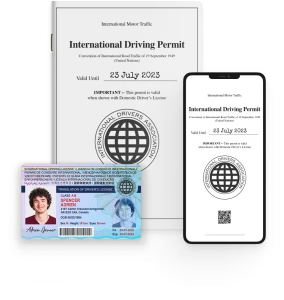
You’ll receive both a printed and digital International Driving Permit booklet and card when you order online. The printed version will be shipped directly to your address, while the digital version will be delivered within minutes. Valid in over 150 countries, your IDP lets you travel with peace of mind and drive confidently — anytime, anywhere.

 English
 Deutsch
 Español
 Français
 Italiano
Comments